
Benefits of Outsourcing Packaging Equipment Maintenance to Professionals
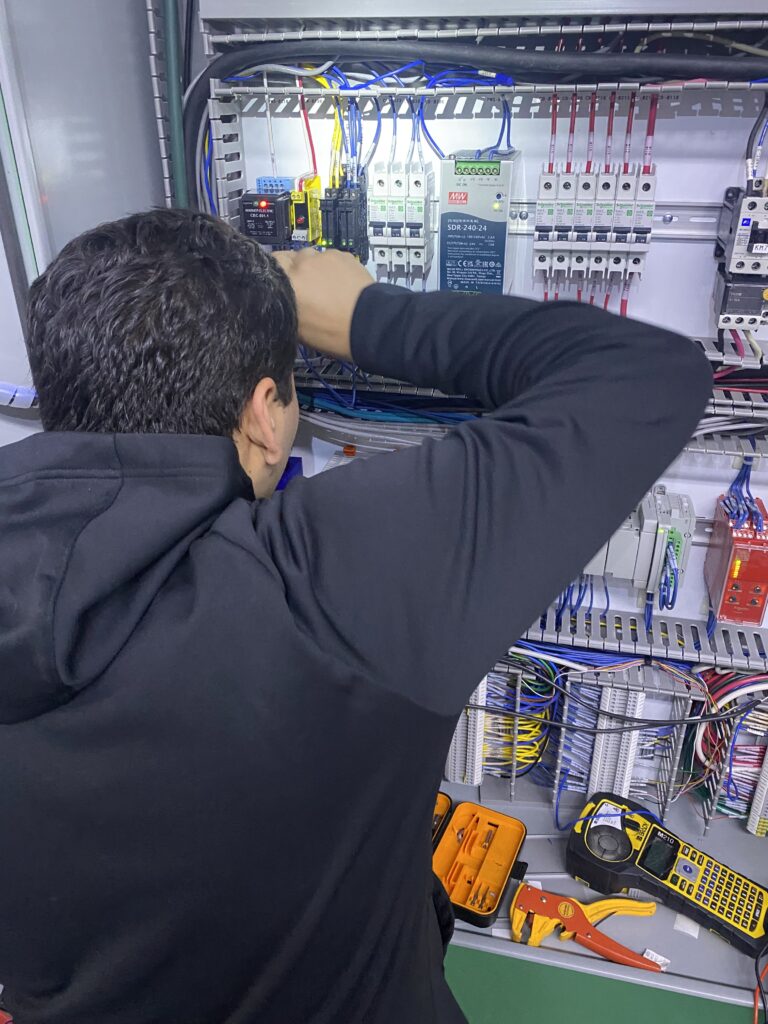
Outsourcing packaging equipment maintenance: when it pays to bring in a maintenance specialist
Many plants struggle to maintain packaging equipment in-house due to limited expertise, resources, and time. Outsourcing to a maintenance specialist boosts uptime, reduces total cost, and improves quality—especially when the partner can handle preventive, predictive, and corrective work across controls, robotics, vision, conveyors, coders, and end-of-line equipment. The result: better OEE, faster changeovers, and a clear path to reliability gains.
Why in-house maintenance struggles
Keeping legacy lines humming is hard. You need people who can diagnose intermittent faults, tune drives, and safely bring equipment back online—fast.
Depth of skills. Modern lines combine conveyors, coders, robotics, and vision. Troubleshooting often touches HMI/SCADA, safety circuits, servo tuning, pneumatics, and precise mechanical alignment.
Resource constraints. Smaller teams rarely have spare hands for lubrication routes, PM checklists, VFD inspections, calibrations, and documentation updates—let alone night and weekend coverage.
Production pressure. Maintenance slips when throughput is king, hurting OEE, changeover times, and overall reliability.
Lifecycle complexity. Lines evolve—new coders here, a tray packer timing tweak there—and small misalignments compound into jams, micro-stops, and downtime.
What outsourcing maintenance delivers
A capable maintenance partner brings a repeatable program, parts coverage, and cross-discipline expertise—without adding permanent headcount.
Faster diagnosis, cleaner fixes
Techs who live inside packaging equipment move from symptom to root cause quickly—controls faults, sensor failures, air leaks, worn belts, misaligned guides, photoeye issues, servo following errors. Standardized fault trees and proper test gear shrink MTTR and stabilize buffers.
Uptime and cost control
Outsourcing locks in PM schedules, after-hours response, and parts planning. Teams handle belt and chain replacements, tensioning, lubrication, vacuum/cup changes, EOAT wear items, coder ribbons, and seal-jaw rebuilds—reducing scrap and avoiding emergency calls.
Quality and compliance
For regulated lines, look for maintenance logs, calibration records, and traceability. A good provider supports documented procedures, lockout/tagout audits, verification of lot/date coding, label checks, torque/calibration control, and clean as-found/as-left reporting.
Measurable performance
The right program moves real KPIs: higher MTBF, lower MTTR, improved first-pass yield, fewer unplanned changeovers, better line balance. Adding condition monitoring (vibration, thermal, current draw, air-leak checks) enables predictive maintenance and smarter parts stocking.
Risks—and how to mitigate them
Loss of control. Set clear SLAs, scope, and escalation paths. Require as-builts, backups, and a spare-parts plan.
Service gaps. Choose a team with coverage for PMs and call-outs and depth across controls, mechanical, electrical, robotics, and vision.
Budget creep. Use milestone pricing and a maintenance calendar. Tie success to uptime, scrap, and changeover targets.
How to choose the right maintenance provider
- Technical breadth. Verify hands-on capability in controls troubleshooting, HMI/SCADA, safety systems, drive/servo tuning, pneumatics, and mechanical rebuilds. Ask for examples on canning lines, lowerators, cartoners, case and tray equipment, shrink systems, and coders.
- Reliability toolkit. Look for vibration/thermal/ultrasound tools, precision alignment, and standardized PM checklists mapped to OEM specs.
- Process & documentation. Expect structured PMs, failure analysis, clean turnover (labeled prints, updated backups), operator training, and a preventive plan you can actually run.
- Results. Ask for before/after deltas: fewer jams, faster changeovers, better first-pass yield, and documented OEE improvements.
What you can outsource (quick checklist)
- Routine PMs, lubrication routes, and safety inspections
- Controls troubleshooting and program backups (minor adjustments when required)
- VFD/servo health checks, tuning, and drive cabinet housekeeping
- Sensor/photoeye cleaning and calibration; vision lens cleaning and light tuning
- Conveyor alignment, belt/chain replacement, guide rail setup
- Lot/date coder maintenance, verification, and print quality checks
- Tray packer/case packer/case erector timing and rebuilds
- Palletizer maintenance and EOAT wear-part replacement
- Energy and air audits (motors, vacuum, compressed air leaks)
- Spare-parts kitting, documentation, backups, and operator/maintenance training
Mini-FAQ
How often should packaging equipment be serviced?
Follow OEM intervals, then tighten based on real data. Critical assets often need monthly checks plus quarterly deep dives; high-wear items may need weekly touchpoints.
What’s the difference between preventive and predictive maintenance?
Preventive uses time/usage intervals; predictive uses sensor data (vibration, temperature, current, air flow) to act before failure. Many plants blend both for the best cost-to-uptime ratio.
Do I need to shut down the whole line to outsource maintenance?
Not always. A good partner schedules work in windows, isolates cells, and sequences tasks to minimize downtime—especially for end-of-line equipment that can be serviced independently.
How do I estimate ROI?
Add avoided downtime + scrap reduction + labor saved from fewer changeovers; subtract service costs and planned parts. Include quality benefits from verified coding and inspection.
Conclusion
If in-house bandwidth is thin—or your line mixes legacy gear with modern robotics and vision—outsourcing packaging equipment maintenance is often the fastest path to stable uptime and lower total cost. A multidisciplinary maintenance partner keeps you running today and guides the reliability roadmap for tomorrow—whether that’s smarter PMs, condition-based monitoring, or targeted rebuilds and upgrades that make changeovers faster and lines more dependable.
Next step: book a short assessment. We’ll review your maintenance plan, pain points, and top candidates for quick wins in uptime, changeovers, and OEE.